

Enter your mobile number


 Need help?
Pray For Financial Stability, Business Growth & Relief from Money-Related Stress.
Puja booking will close in:

4.9 (500 reviews)
Join 1M+ devotees who have experienced pujas

Complete puja video will be shared within 3–4 days

Best Pandit Ji from temple will do your puja.

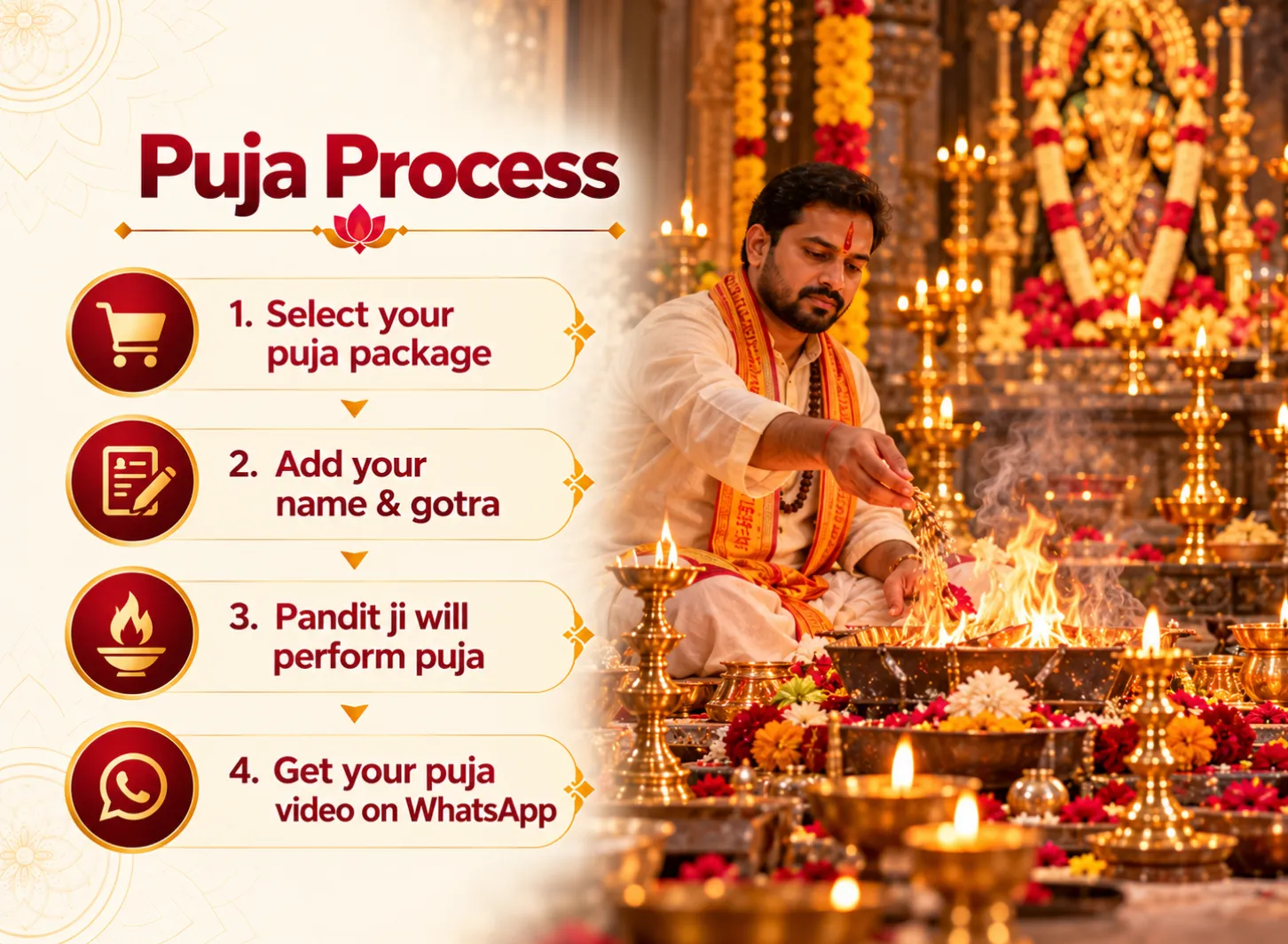
Pandit Ji performs puja with your name.

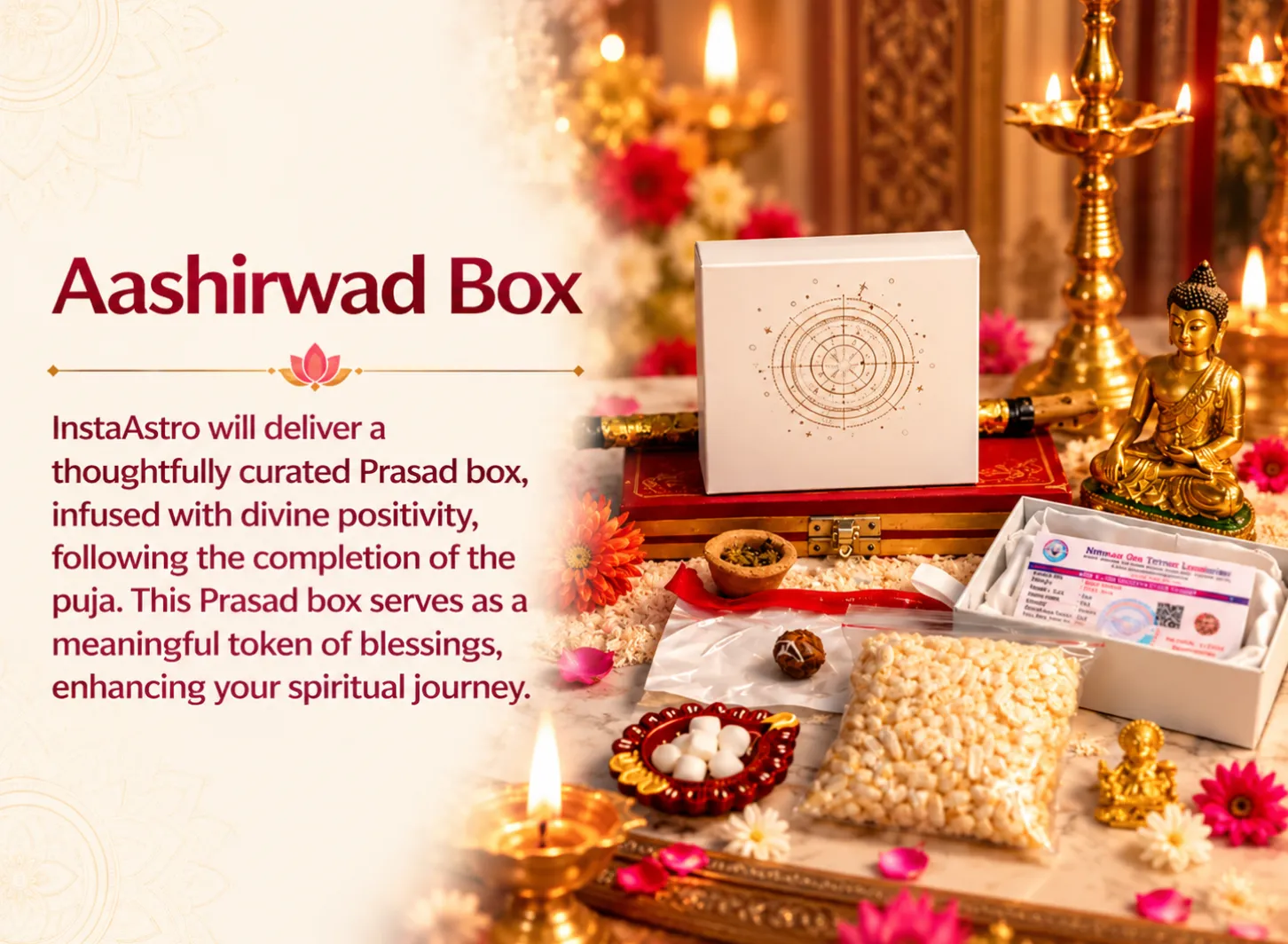
Get Prasad Box delivered at your home

India's most trusted devotional platform.
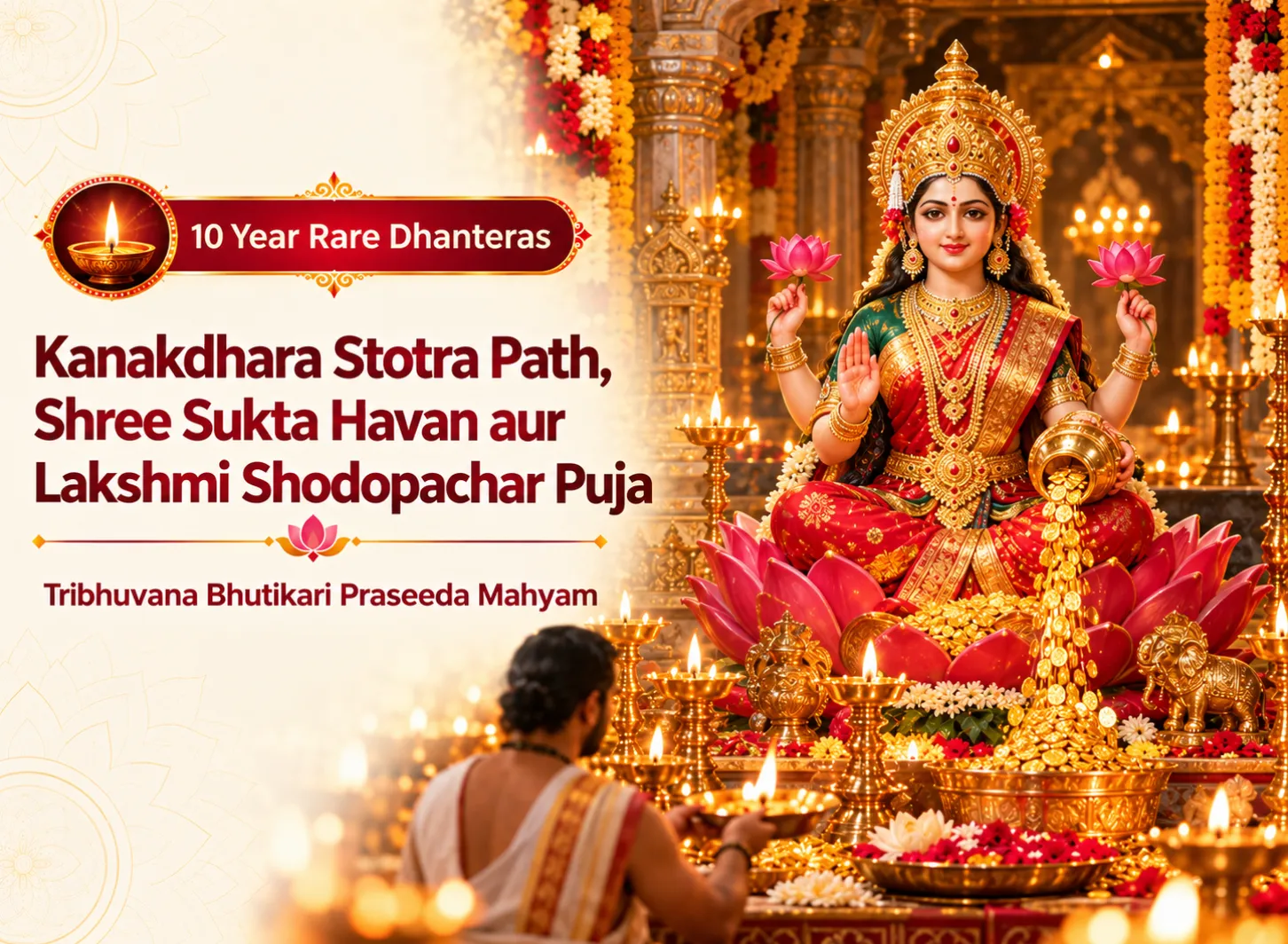
Dhanteras is one of the most auspicious days to worship Maa Lakshmi for wealth, prosperity, and a positive financial beginning. On this 10 Year Rare Dhanteras, the Kanakdhara Stotra Path, Shree Sukta Havan aur Lakshmi Shodopachar Puja is performed with devotion. Kanakdhara Stotra is recited to seek Maa Lakshmi’s grace, while Shree Sukta Havan and Shodopachar Puja deepen the prayer through sacred Vedic offerings.
Kanakdhara Stotra Path
The Kanakadhara Stotra Path is a sacred recitation of the powerful hymn composed by Adi Shankaracharya in praise of Goddess Mahalakshmi. It is believed that chanting this divine Stotra with devotion invokes the grace of Goddess Lakshmi, helping devotees overcome financial difficulties, remove obstacles to prosperity and attract wealth, abundance and auspiciousness. Through this sacred Path, devotees seek the benevolent blessings of Goddess Mahalakshmi for financial stability, happiness and prosperity in life.
Origin and Significance of Kanakadhara Stotram
Composed by Adi Shankaracharya: The Kanakadhara Stotram was composed by Adi Shankaracharya in praise of Goddess Mahalakshmi.
The Legend of the Golden Shower: According to tradition, Adi Shankaracharya once visited a poor woman's house seeking alms. Having nothing to offer, she gave him a single Amla fruit. Moved by her generosity, he composed the Kanakadhara Stotram, praying to Goddess Lakshmi to bless her. The Goddess showered golden Amlas upon her home.
Blessings of Kubera: Traditional devotional belief holds that those who recite the Kanakadhara Stotram three times daily with devotion receive immense prosperity and wealth comparable to that of Kubera, the celestial treasurer.
Central Message: The compassionate glance of Goddess Mahalakshmi can transform poverty into prosperity, bring abundance into life and bless devotees with limitless Aishwarya.
Shree Sukta Havan
The Shree Sukta Havan is a sacred fire ritual performed with the recitation of the powerful Shree Sukta hymns from the Rigveda, invoking the divine blessings of Goddess Mahalakshmi. Through offerings made into the sacred fire, devotees seek Her grace for wealth, prosperity, abundance and good fortune. It is believed that performing this Havan with devotion helps remove financial obstacles, invite auspiciousness and bring peace, happiness and prosperity to the household.
Om Hiranyavarnam Harinim Suvarna Rajata Srajam, Tvaam Ma Aavaha Jaatavedo Lakshmim Anapagaaminim”, praying that Maa Lakshmi’s presence and prosperity remain with the devotee. Through these sacred chants, devotees seek Akhanda Aishwarya, financial stability, abundance, family well-being, and lasting prosperity at the holy Karavira Shaktipeeth, Kolhapur.
Lakshmi Shodopachar Puja
In the sacred Kolhapur Kshetra, Goddess Mahalakshmi will be worshipped through the traditional Shodashopachara Puja, comprising sixteen sacred steps of devotion. The rituals include invoking the Goddess, offering flowers, incense, lamps, Naivedyam and performing Aarti with utmost reverence. This special worship is performed seeking the divine blessings of Goddess Mahalakshmi for wealth, prosperity, abundance, happiness and overall well-being.
This puja helps Devotees to attain financial stability, smoother business growth, stronger savings, and relief from financial crisis.. Devotees pray to Maa Lakshmi for steady income, new opportunities, peace at home, and wiser financial decisions. The combined Kanakdhara Path, Shree Sukta Havan and Lakshmi Puja is also performed to invite abundance, positivity, and long-term prosperity.
If you want this Dhanteras to become a fresh beginning for your financial journey, take Sankalpa for this puja.. Pray for growth in career or business, better control over expenses, family happiness, and Maa Lakshmi’s blessings for the year ahead. Do Dhanteras Special Kanakdhara Stotra Path, Shree Sukta Havan aur Lakshmi Shodopachar Puja, performed at the sacred Mahalakshmi Temple, Kolhapur, Maharashtra.
Through the Shree Sukta Havan, Maa Lakshmi is invoked through Agni Dev with prayers that her blessings remain with the devotee and bring steady prosperity, abundance, and financial stability.
The sacred Shree Sukta prayers traditionally seek blessings for gold, cattle, horses, capable support, and the resources needed for a comfortable and prosperous life.
Kanakdhara Stotra Path, Shree Sukta Havan, and Lakshmi Shodopachar Puja are performed to seek Maa Mahalakshmi’s grace for abundance, household happiness, better savings & financial confidence.
Puja will be performed at
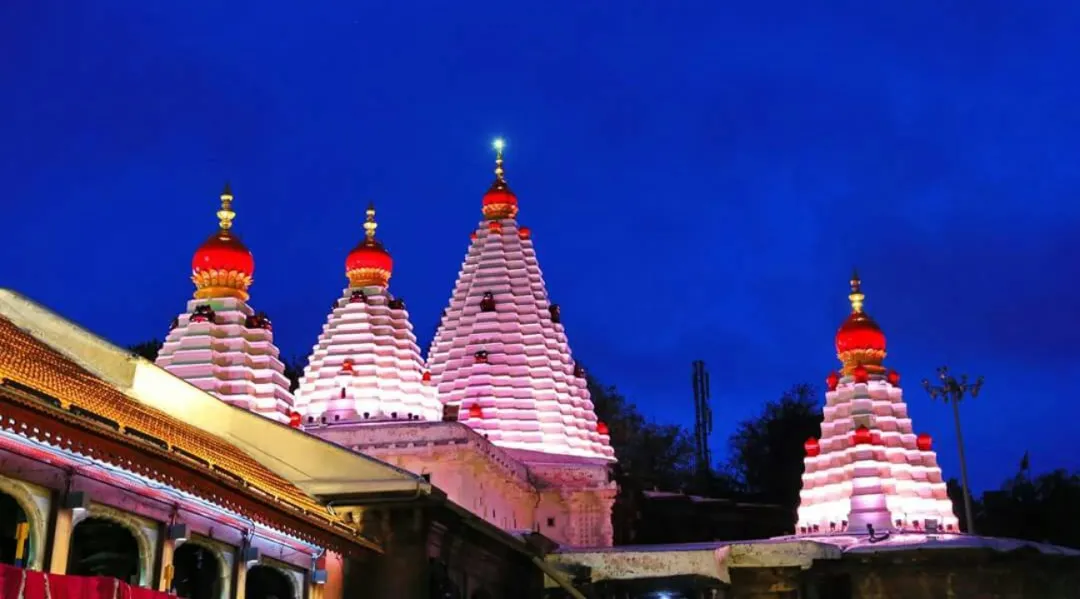
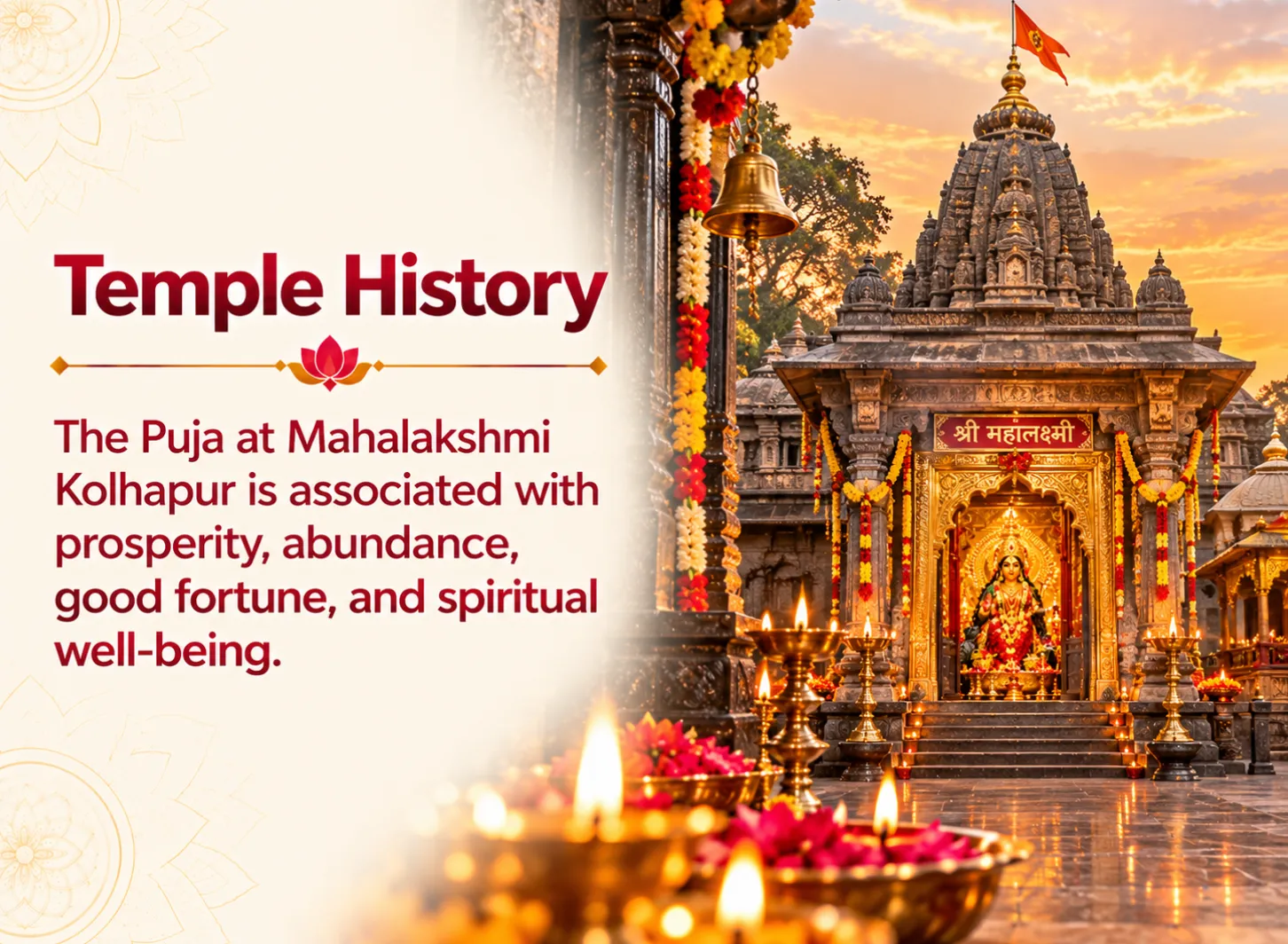
Mahalakshmi Temple, Kolhapur, also known as Karavira Shaktipeeth, is one of the sacred Maha Shaktipeethas where, according to Shakthipeeth tradition, the three eyes of Goddess Sati are believed to have fallen. Maa Mahalakshmi is worshipped here as Ambabai or Karavira Nivasini, the Divine Mother who blesses devotees with prosperity, abundance, good fortune, and spiritual well-being.
The temple is deeply connected with powerful legends. According to the Karavira Mahatmya, Maa Mahalakshmi defeated Kolhasura and chose to remain in this sacred land. Another popular tradition tells that Maa Lakshmi left Vaikuntha and came to Karavira after the episode involving Sage Bhrigu and Lord Vishnu. This also creates a devotional connection between Kolhapur Mahalakshmi Temple and Tirupati Balaji.
For ages, great sages, munis, and revered personalities from different Yugas have worshipped Goddess Mahalakshmi and performed intense penance in the sacred Kolhapur Kshetra. Blessed by the devotion and spiritual practices of these great souls, this land is revered as an exceptionally holy place. Worshipping Goddess Mahalakshmi in this auspicious Kshetra is believed to bestow Her divine grace manifold, bringing abundant blessings, prosperity and well-being into devotees' lives.

If you don't know your gotra (lineage), you can use Kshyapa. Rishi Kshyapa is a special sage, and his descendants are in every family. The priest will say this during the puja.


