

Enter your mobile number


 Need help?



For family well-being & relief from sarp-related doshas
Puja booking will close in:

4.9 (500 reviews)
Join 1M+ devotees who have experienced pujas

Complete puja video will be shared within 3–4 days

Best Pandit Ji from temple will do your puja.

Pandit Ji performs puja with your name.

Get Prasad Box delivered at your home

India's most trusted devotional platform.
Nagula Chavithi is a sacred festival dedicated to the worship of Naga Devatas, especially observed in Andhra Pradesh and Telangana during Kartika Masam. On this auspicious day, the Naga Dosha Nivaraka Nava Naga Homa & Subrahmanya Abhishek is performed to seek protection, family well-being, progeny blessings, and relief from serpent-related doshas. Naga worship also carries deep Puranic importance through Vasuki, Ananta Shesha, Kaliya, and the divine serpent traditions connected with Lord Shiva, Lord Vishnu, and Lord Krishna.
This puja is especially suggested for devotees who believe they are facing Naga Dosha, Kala Sarpa Dosha, Sarpa Dosha, or difficult Kuja/Mangal & Rahu-Ketu influences. Such conditions are traditionally linked with repeated delays, marriage obstacles, progeny concerns, financial instability, family stress, fear, and recurring setbacks. Through Nava Naga Homa, Subrahmanya Abhishek, Rahu-Ketu Shanti prayers, and Naga Devata worship, devotees pray for stability, protection, smoother progress, family harmony, and relief from repeated obstacles.
If your efforts keep getting delayed, family matters feel unsettled, or you wish to pray for children’s health, longevity, and future well-being, Nagula Chavithi can be a meaningful time to take a sacred Sankalp. This puja is performed at Sri Oshadeeshwara Nava Naga Subrahmanya Kshetra,Kyetampalli village, Dharmasagar Mandal, Hanamkonda, Telangana, a unique temple where nine Naga Devatas are worshipped in idol form. Devotees believe that serpent-related pujas and remedies performed at this sacred Kshetra carry special spiritual importance and blessings.
Nava Naga Homa is performed to seek relief from serpent-related doshas, Rahu-Ketu disturbances, repeated delays, and unexplained obstacles.
Subrahmanya Abhishek and Naga worship are offered with prayers for progeny, children’s health, longevity, protection, and peace in family life.
Devotees pray for smoother progress in marriage, career, finances, relationships, and important life matters while seeking protection and positive energy.
Take a fresh bath, wear clean clothes, and start the day with a calm mind while remembering Lord Subrahmanya and the Naga Devatas.
Recite your Name and Gotra and pray for relief from Naga Dosha, Kala Sarpa Dosha, Rahu-Ketu disturbances, repeated delays, and family concerns.
Keep your mind peaceful as priests perform the Naga Dosha Nivaraka Nava Naga Homa & Subrahmanya Abhishek on your behalf.
Puja will be performed at
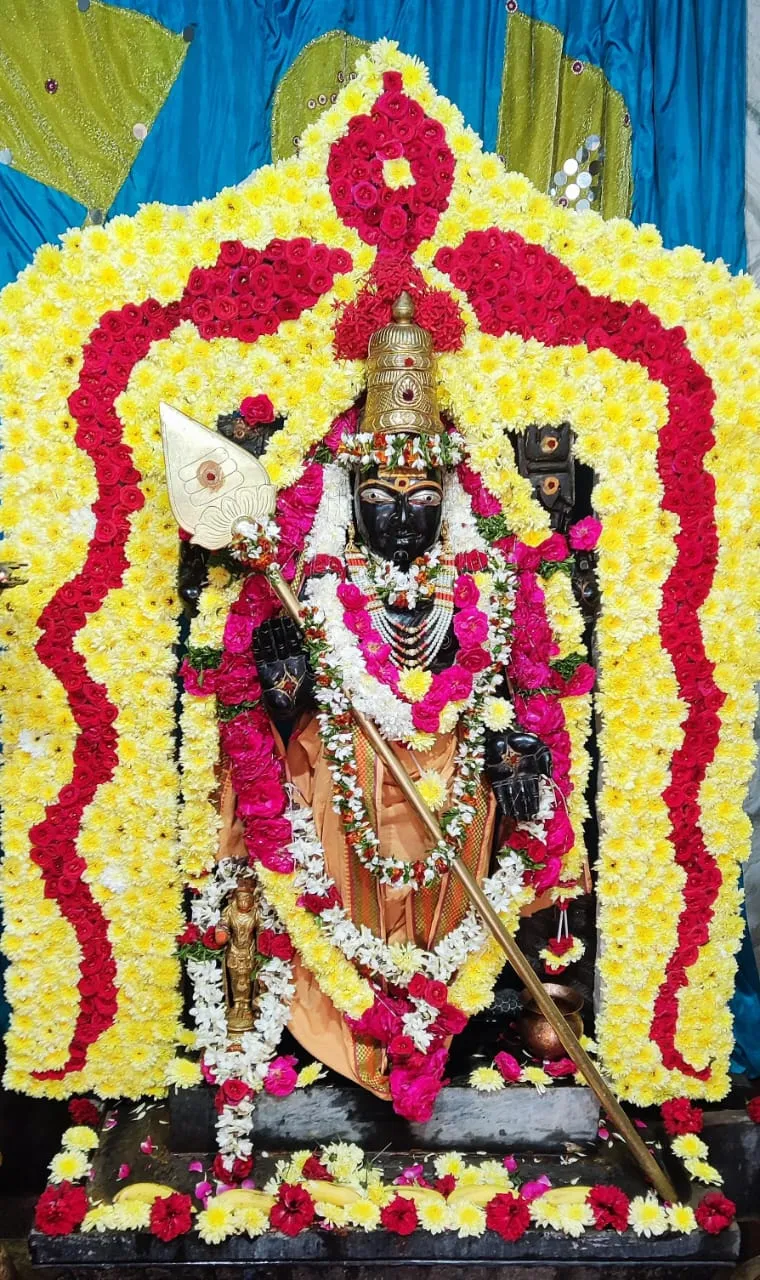
Nava Naga Subrahmanya Kshetra, Hanamkonda, Telangana is a sacred place dedicated to Lord Subrahmanya and the worship of the nine Naga Devatas. The temple is considered special because Nava Naga deities are worshipped here in 9 idol forms. On Nagula Chavithi, the Naga Dosha Nivaraka Nava Naga Homa & Subrahmanya Abhishek is performed here for protection, family well-being, and relief from serpent-related doshas.
This Kshetra is especially meaningful for devotees seeking Naga Dosha Pariharam, Kala Sarpa Dosha Nivaranam, Rahu-Ketu Shanti, Santana Bhagya, and Subrahmanya Puja. Naga Devatas are traditionally connected with protection, fertility, family continuity, and cosmic balance. Devotees pray here for relief from repeated delays, marriage concerns, progeny difficulties, financial instability, mental unrest, and obstacles that seem to return despite sincere efforts.
If you are looking for a focused place to offer prayers for Naga-related concerns, children’s well-being, family harmony, or Rahu-Ketu balance, this sacred Kshetra gives your Sankalp deeper devotional meaning. The Naga Dosha Nivaraka Nava Naga Homa & Subrahmanya Abhishek will be performed at Nava Naga Subrahmanya Kshetra, Hanamkonda, Telangana, with prayers for protection, progress, prosperity, and blessings for future generations.

If you don't know your gotra (lineage), you can use Kshyapa. Rishi Kshyapa is a special sage, and his descendants are in every family. The priest will say this during the puja.


