The 7 days of Diwali turn one night of lamps into a full week of devotion and family time. Most people know a five-day festival. However, many families start earlier with Govatsa Dwadashi and end later with Bhai Dooj. Know each day in detail here.
Also Read: The Unlimited Powers Of Maa Baglamukhi
Day-by-Day Guide to the 7 Days of Diwali
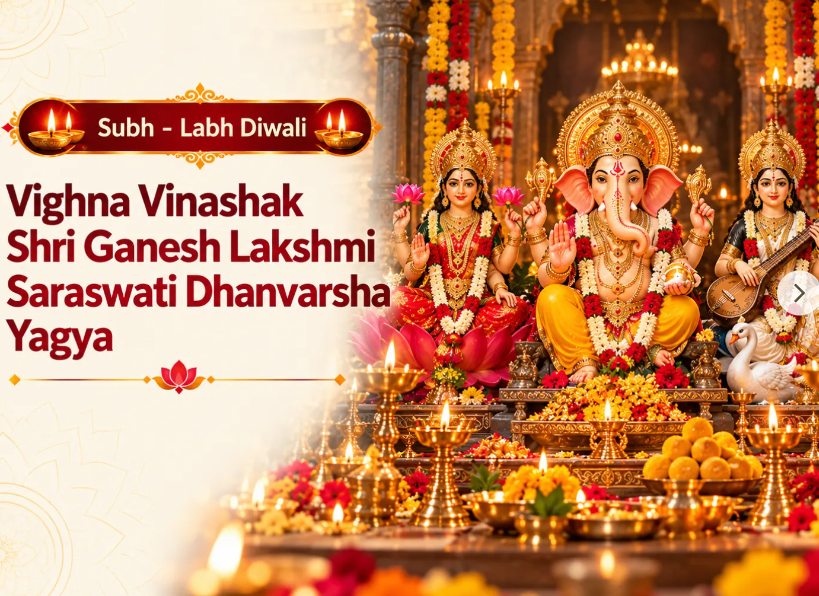
The sacred days associated with it start 3 days earlier. Here is everything in detail.
Day 1 – Govatsa Dwadashi (Vasu Baras)
- Significance: Govatsa Dwadashi opens the 7 days of Diwali by honouring the cow (5 Nov in 2026). Hindus see cows as an abode of divinity and a symbol of motherhood and fertility, so the festival begins with gratitude toward nature.
- Story: Hindu belief says the divine cow Kamadhenu emerged during the churning of the ocean. Moreover, Lord Krishna grew up as a cowherd in Vrindavan, which explains why devotees treat cows and calves with such love.
- Tradition: Families clean, decorate and worship cows and calves with colourful beads and garlands, then offer wheat products and gram. Many households also avoid dairy on this day to show respect for the animals.
Day 2 – Dhanteras (Dhanvantari Trayodashi)
- Significance: Dhanteras celebrates wealth, fortune and good health together (6 Nov in 2026). The word “Dhan” means wealth, and devotees worship Goddess Lakshmi and Lord Dhanvantari because many families believe true prosperity needs both money and a healthy body.
- Story: According to legend, Lord Dhanvantari, the physician of the gods, rose from the ocean with a pot of nectar. Another tale says a young prince escaped death on his wedding night because his wife’s lamps and songs held Yama back.
- Tradition: First, families clean their homes. Next, they buy gold, silver or new utensils as a sign of good luck. Finally, they light the Yamdeep outside the house to ward off untimely death.
Day 3 – Naraka Chaturdashi (Choti Diwali / Roop Chaudas)
- Significance: Naraka Chaturdashi symbolises the triumph of light over darkness and the end of laziness and evil (7 Nov in 2026). Therefore, people use the day to cleanse the body and mind. They also call it Roop Chaudas, the day of beauty.
- Story: The demon Narakasura terrorised the world and imprisoned thousands of people. Lord Krishna defeated him, with help from his wife Satyabhama, and freed the captives. Consequently, people celebrate this victory with light and joy.
- Tradition: Devotees wake before sunrise and take a holy oil bath, called Abhyanga Snan, using herbal ubtan paste. Afterwards, they light a few small oil lamps around the house and reflect on conquering their inner demons.
Day 4 – Badi Diwali (Lakshmi Puja)
- Significance: Badi Diwali is the grandest day of the festival (8 Nov in 2026). It celebrates wealth, well-being and the victory of good over evil. So, families welcome Goddess Lakshmi with lights, prayers and a clean, bright home.
- Story: After fourteen years of exile, Lord Rama returned to Ayodhya with Sita and Lakshmana. The citizens lit rows of lamps to welcome him. Meanwhile, Goddess Lakshmi emerged during the churning of the ocean.
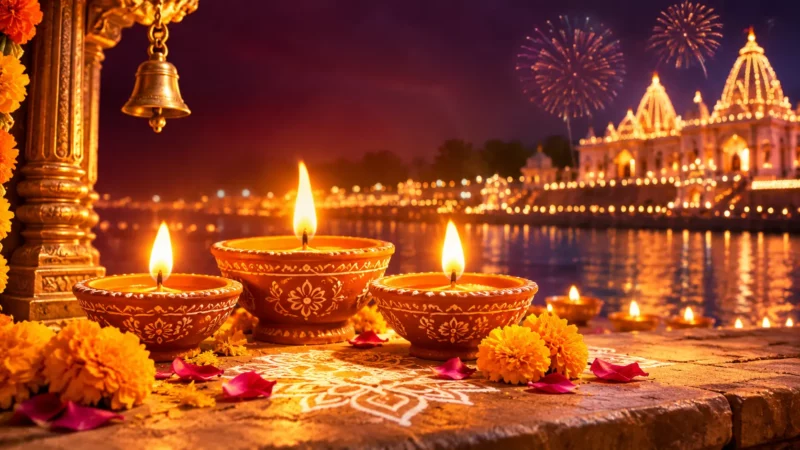
- Tradition: Rows of diyas and colourful rangoli decorate every home. In the evening, families perform the grand Lakshmi Puja, share sweets and light firecrackers. In New Delhi, the muhurat runs from 5:54 PM to 7:50 PM.
Day 5 – Govardhan Puja (Annakut)
- Significance: Govardhan Puja teaches that devotion and gratitude outweigh pride (9 Nov in 2026). It also honours nature, since the hill gave the villagers of Vrindavan food and fodder for their cattle throughout the year.
- Story: Indra, the king of the gods, grew proud and sent torrential rains on Vrindavan. In response, Krishna lifted Govardhan Hill on his little finger and sheltered everyone. Eventually, Indra gave up and bowed to him.
- Tradition: Devotees prepare Annakut, a mountain of vegetarian food with 56 items called Chhappan Bhog, and offer it to Krishna. Likewise, many families build symbolic hills from cow dung and circle them during the prayers.
Day 6 – Bali Pratipada (Padwa / New Year)
- Significance: Bali Pratipada honours King Bali, famed for his generosity and devotion (10 Nov in 2026). In Gujarat, it also starts the New Year, known as Bestu Varas, so the day symbolises fresh beginnings and the bond between the divine and mortals.
- Story: Lord Vishnu took the form of Vamana, a young priest, and asked King Bali for three steps of land. Pleased by Bali’s humility, Vishnu blessed him with a yearly visit to Earth, which this day marks.
- Tradition: Merchants open new financial ledgers, and people wear new clothes. Meanwhile, families visit relatives to exchange sweets, and husbands give gifts to their wives to celebrate the marital bond.
Day 7 – Bhai Dooj (Yama Dwitiya)
- Significance: Bhai Dooj celebrates the love and lifelong bond between brothers and sisters (11 Nov in 2026). It works much like Raksha Bandhan, and the day symbolises care, protection and affection between siblings.
- Story: Lord Yama, the god of death, visited his sister Yami on this day. She welcomed him with a tilak, an aarti and a feast. Delighted, he blessed brothers who receive a tilak from their sisters with long life.
- Tradition: Sisters perform an aarti and apply a protective tilak on their brothers’ foreheads, praying for long life. In return, brothers give gifts as a token of protection and love.
Conclusion
The 7 days of Diwali combine devotion, gratitude, food and family. Each day adds its own story, and together they give the festival its depth. So this year, take the week slowly. Light a lamp, share a sweet and enjoy every day.